
May 2026
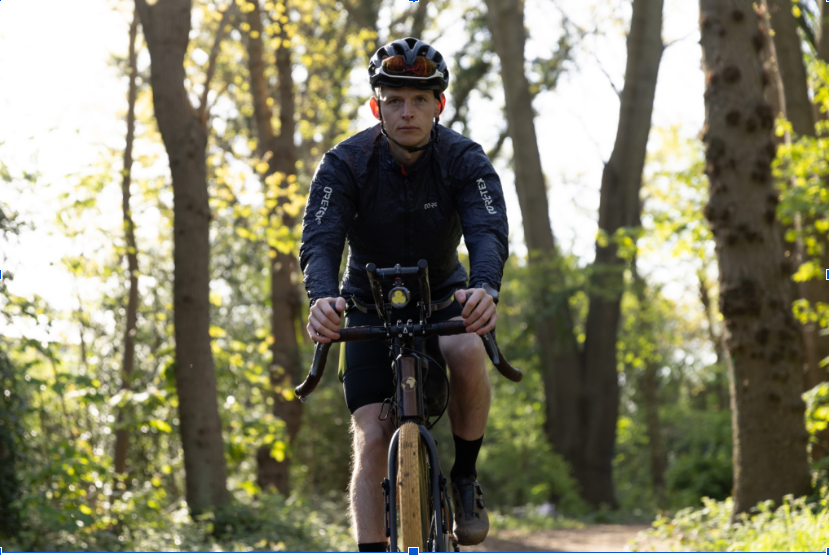
In June 2026 I am setting off to cycle around the world. Over 30,000 kilometres, at least 23 countries and roughly one to two years on the road. I will be doing it on a custom wooden bike. And the reason I am doing it at all comes down to a single afternoon on a quiet road in England, when I lost consciousness whilst cycling and woke up with a very different outlook on life.
This is that story.
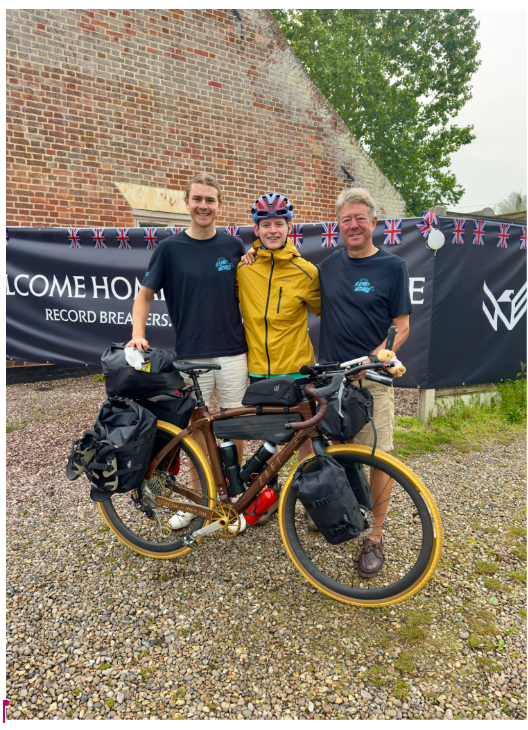
My name is Tom and I have always been an athlete.
Since the age of four I have played hockey, eventually reaching national level and along the way completed five marathons. Sport has never just been a hobby; it has been a constant thread running through my life.
The cycling started almost by accident. After university I went to work in Italy for a summer and quickly realised the best way to explore was by bike. I found a road bike, got on it and had the summer of my life cycling around northern Italy. But by the end of it I knew I wanted more: longer days, further distances, the ability to carry kit. So I came home, sold the road bike, bought a gravel bike and did what any sensible first-time bikepacker would do.
I immediately signed up for Land’s End to John o’Groats.
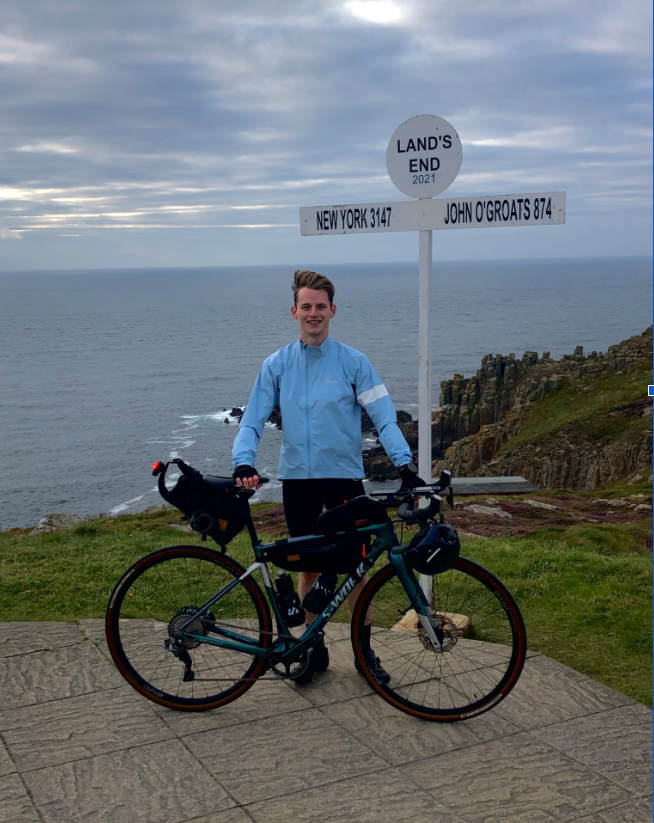
The afternoon everything changed
Day one was everything I had hoped for. The nerves settled quickly and I felt confident. Day two started the same way, until the afternoon.
My heart rate became erratic. I kept stopping to let it settle, telling myself it was nothing serious. I did not want to worry my friend on only the second day of a ten-day trip. So I pressed on. One time too many. I lost consciousness whilst cycling. Fortunately I still had my helmet on and had come to a complete stop. I spent two nights in hospital whilst they tried to figure out what was wrong with me. They could not find anything.
That was the beginning of two years of testing, uncertainty and some genuinely difficult questions about my future.
Two years of not knowing
The investigations began immediately. Tons of ECGs, an echocardiogram, an exercise tolerance test, a 24-hour monitor and a cardiac MRI. The difficulty was that despite my symptoms being relatively common, the doctors were unable to identify a cause. That uncertainty carried its own weight. Would I be able to continue exercising? How much activity was safe? Was I at risk? Those questions were never far away.
There was also a longer shadow hanging over all of it. I had started to dream of bigger adventures. Overseas trips. Expeditions by bike. All of that had suddenly felt very far away. For a long period I genuinely felt like my future of exploration had been taken away from me.
The turning point came with an ILR (an Implanted Loop Recorder), a small device fitted beneath the skin of the chest that monitors heart rhythm around the clock. Within two or three days of having it in place, they had an answer: SVT, or Supraventricular Tachycardia. A heart rhythm disorder but thankfully not a life-threatening one. A diagnosis meant a plan: a routine ablation procedure to correct it.
Or so we hoped.
Three ablations
A cardiac ablation is a routine procedure. Having three is not. As the team at King’s College London were about to find out, my presentation of SVT was, to quote the doctor directly, “the sort of thing you see once every 20 years.”
The first ablation revealed a different approach would be needed entirely. Disappointing, but we pressed on. The second left me walking out of King’s feeling genuinely hopeful. The team believed they had found and successfully treated the problem. Within days however the symptoms returned. That was a significant low point. The possibility of simply managing the condition long-term through medication or lifestyle changes was not something I was willing to accept. Thankfully neither was the cardiology team.
They were willing to try again.
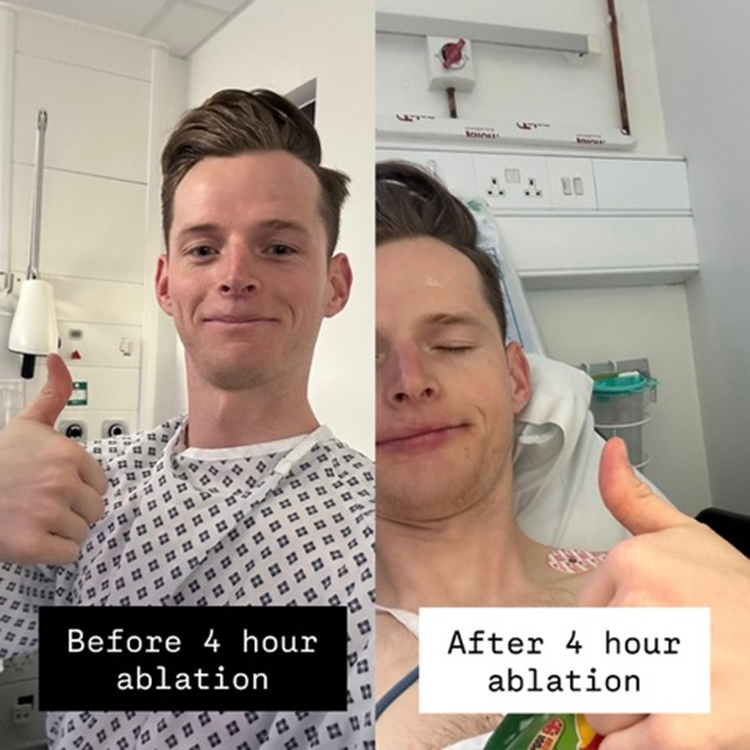
For the third procedure I was placed under a general anaesthetic. Ablations are typically performed under local anaesthetic, as the heart is more responsive when the patient is awake. This makes it easier to identify and treat the problem. Given the complexity of my case however a general was advised. I woke up four hours later (most ablations take under an hour) to encouraging news. We are now over a year on and the symptoms have not returned.
Why I am doing this
Looking back, my overriding feeling is one of luck. I feel the only reason I regained consciousness was luck. CRY estimate that 12 seemingly fit and healthy young people lose their lives every week from undiagnosed heart conditions. I feel I came very close to being one of those 12. The only difference is that I am here to tell the tale. I was young and fit, riding my bike and I lost consciousness whilst cycling. It could so easily have been a different story.
In many ways I feel like I owe it to my past self to go and do this properly. That period where I thought my adventures were over made me realise just how much they matter to me. So when the third ablation was successful I did not think twice.
The round-the-world ride gives me everything I love most: keeping fit, exploring new places and connecting with people and cultures I would never otherwise encounter. Every single day of it. I will be riding a custom wooden bike built by Zafi Cycles in Belgium, chosen partly for the conversations it starts with strangers on the road and partly because it is made almost entirely from materials sourced within Europe. It also happens to be something people tend to remember.
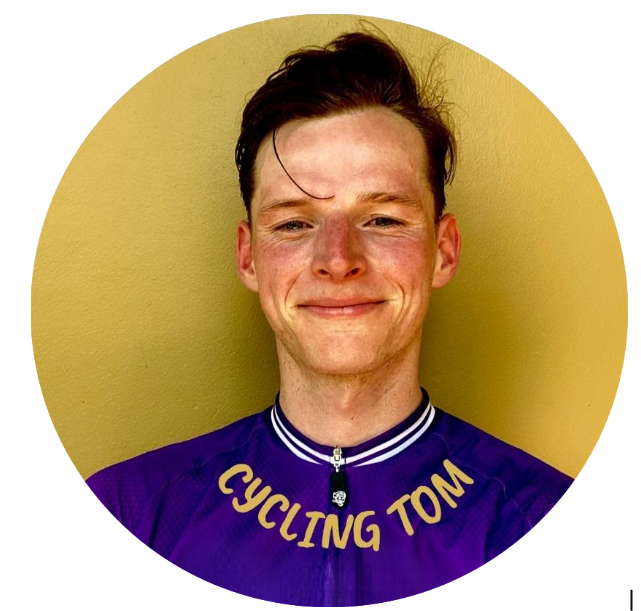
This is why I am extremely motivated to raise money to support CRY’s work in awareness, screening, research and support. To do this, in June 2026 I am setting off to cycle around the world: over 30,000 kilometres, at least 23 countries and up to two years away from home. If you would like to support the ride, please consider donating here: Tom Williamson is fundraising for Cardiac Risk in the Young or follow my progress at @Cycling_Tom on Instagram.
I would also like to acknowledge the amazing treatment and support I received from the NHS, something I feel incredibly lucky to have access to. To all the families going through difficult and uncertain times because of these conditions: I hope the funds raised will make a real difference in supporting that effort.